Farmers face greater risk with planting insurance option removed
FARGO (North Dakota Monitor) — North Dakota farmers will be without a key federal crop insurance option this year as they prepare for spring planting.
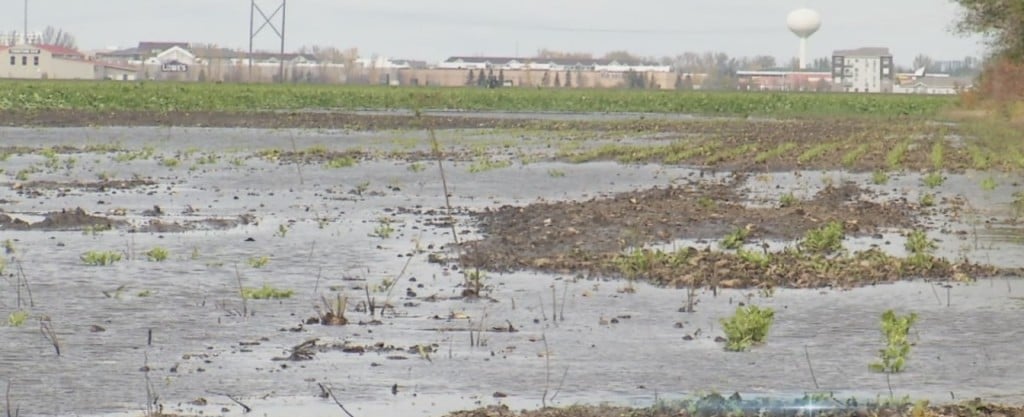
As part of federally subsidized crop insurance, farmers are insured when the weather prevents them from planting a crop. If the farmer can’t plant, they can collect on that part of the insurance policy, known as prevented planting.
In the past, farmers have been paying an additional premium to buy a higher level of prevented planting coverage. But that risk management option is not available to farmers this spring.
The U.S. Department of Agriculture’s Risk Management Agency announced last fall that it was eliminating the extra coverage option for prevented planting insurance.
That buy-up option had been well used in North Dakota. According to the Agricultural Risk Policy Center at North Dakota State University, the extra prevented planting coverage had led to $3.18 billion in payments from 2010 to 2024 for North Dakota producers, more than any other state.
Matt Perdue, president of the North Dakota Farmers Union, said the agency decision is disappointing given that the One Big Beautiful Bill passed last year expanded federal crop insurance in other ways.
An NDSU study concluded that improvement in other areas of crop insurance will not be outweighed by the loss of additional prevented planting insurance for North Dakota.
The rule can’t be changed for 2026.
Last month, a group of senators including Sen. John Hoeven, R-N.D., wrote a letter to Agriculture Secretary Brooke Rollins asking to undo the prevented planting changes for 2027 and beyond “to help provide a layer of certainty when disasters beyond their control render them unable to plant a crop.”
In addition to having some land with poor drainage, North Dakota has a smaller time frame for spring planting than many other states, making the extra prevented planting coverage more attractive.
But the option also has been used in other states, with NDSU noting claims in South Dakota, California and Arkansas.
Justin Quandt of Oakes said he and his family partners would normally invest in the additional insurance. He said they would make the investment even though the policy requires covering all the acres they farm in a county.
Quandt and his family farm along the James River in Dickey County in southern North Dakota.
On the east side, the soil is sandy, drains well and standing water isn’t a problem in the spring. But on the west side is prairie pothole land, with dips and gullies that can fill up with snowmelt or spring rains, and the wet ground can be a quagmire for farm tractors.
Some years, those wet fields may not get planted at all — triggering a crop insurance claim.
The family also farms land in Sargent County, but Quandt said those fields have had drain tile installed to help them dry out in wet springs. The extra prevented planting coverage isn’t needed there.
Quandt said federal conservation easements prevent installing drain tile on some of the Dickey County land that is sometimes too wet to plant in the spring.
Meanwhile, some of the sandy soil they farm requires irrigation to produce a crop. If the water level in the reservoir they use for irrigation were to get too low in a dry year, that could also result in a prevented planting claim, he said.
Bethany Rentz, an agent in the Hillsboro office of West Fargo-based Ihry Insurance, said the increased subsidies for the federal crop insurance program will help farmers purchase more coverage for other disasters such as storm damage or drought after the crop is planted. But she said there aren’t other insurance options for farmers this year if the weather disrupts planting.
Farmers face a March 15 deadline to make crop insurance purchases.
Rentz said she hopes that pushback from other states on the policy change will convince the USDA Risk Management Agency to bring the extra prevented planting coverage back.
“I would like to see it come back,” Rentz said.
Reach Deputy Editor Jeff Beach at jbeach@northdakotamonitor.com