North Dakota attorney general voids ethics opinion, says agency lacked authority

BISMARCK, N.D. (North Dakota Monitor) — North Dakota’s attorney general says a recent Ethics Commission advisory opinion related to campaign finance law is void, arguing the agency exceeded its authority.
Attorney General Drew Wrigley, in a legal opinion issued late Friday, said the Ethics Commission has no authority to issue an opinion based on general questions of law.
The 15-page opinion relates to guidance the Ethics Commission issued in June, responding to questions from a Fargo lawmaker about whether campaign funds can be used to pay for a candidate’s child care or security expenses. The commission said in an advisory opinion that campaign funds can be used for child care and security in some instances.

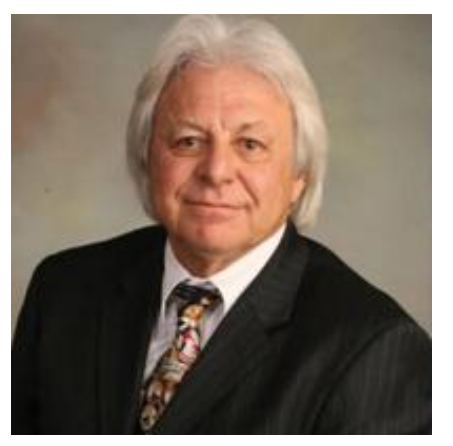
Secretary of State Michael Howe (Provided)
Secretary of State Michael Howe asked the attorney general to weigh in on the Ethics Commission advisory opinion, pointing out that it’s his office’s responsibility to oversee campaign finance and election laws.
Wrigley determined that state law authorizes the Ethics Commission to address “specified hypothetical facts or prospective conduct,” but not broad questions. As a result, Wrigley wrote the advisory opinion “has no legal effect.”
The attorney general also concluded state law will take precedence if it is ever contradicted by a rule adopted by the Ethics Commission.
Wrigley said in a statement the opinion “is founded on the bedrock principle that there are three coequal branches in our government, and our courts have been crystal clear in maintaining the appropriate regard for the powers and limitations on each of those separate and equal government branches.”
The Ethics Commission said in a statement it’s reviewing the opinion in order to evaluate next steps. The commission is committed to implementing the constitutional amendment that established the oversight agency, said Executive Director Rebecca Binstock.
Fargo Democratic Sen. Josh Boschee, the lawmaker who requested the advisory opinion, said he believes the Ethics Commission should have the authority to issue guidance on North Dakota election laws but said he understands the attorney general’s point about the need for specificity. Ultimately, the senator said he wants clarity for political candidates and people considering whether or not to run for office.
“That’s why we ask these questions. We want to make sure we’re doing it correctly,” Boschee said.
In a statement on Monday, Howe said child care and security expenses are not specifically listed in state law as “political activities” and should be considered a “personal use.” He pointed to Wrigley’s legal opinion, which states the use of campaign funds for personal use is a misdemeanor.
Howe also said his office is where people should direct questions about campaign finance and election law. Boschee said he first posed the child care question to Howe but was not given an answer. Howe has said he doesn’t recall receiving the inquiry.
The Ethics Commission, created by voters in 2018, was given the authority by the Legislature to issue advisory opinions.
Senate Majority Leader David Hogue, R-Minot, said the attorney general’s opinion will likely inspire lawmakers to consider amending that statute to ensure future opinions have a “limited scope.”
“We don’t want somebody to be able to use the advisory opinion process to, in effect, create new law,” Hogue said.
The Ethics Commission advisory opinion also received criticism from Gov. Kelly Armstrong, who has said the question about use of campaign funds is a policy issue, not an ethical question. Armstrong also expressed concerns that the opinion had the effect of creating a new law without input from the Legislature.
Another section of Wrigley’s opinion overrules a 2020 opinion from his predecessor, Wayne Stenehjem, related to the commission’s rules that define lobby and lobbyist. Stenehjem said the Ethics Commission could expand the definition in state law in order to carry out the agency’s constitutional directive prohibiting lobbyists from providing gifts to public officials.
Stenehjem also wrote that if rules passed by the Ethics Commission conflict with state law, the state constitution mandates that the Ethics Commission’s rule should prevail.
Wrigley wrote that his office reexamined those questions more fully and determined the constitution “does not permit the Commission to step into the shoes of the Legislative Assembly to make law.”
North Dakota Monitor reporter Jacob Orledge can be reached at jorledge@northdakotamonitor.com.