ICE detention cases begin weaving through North Dakota courts
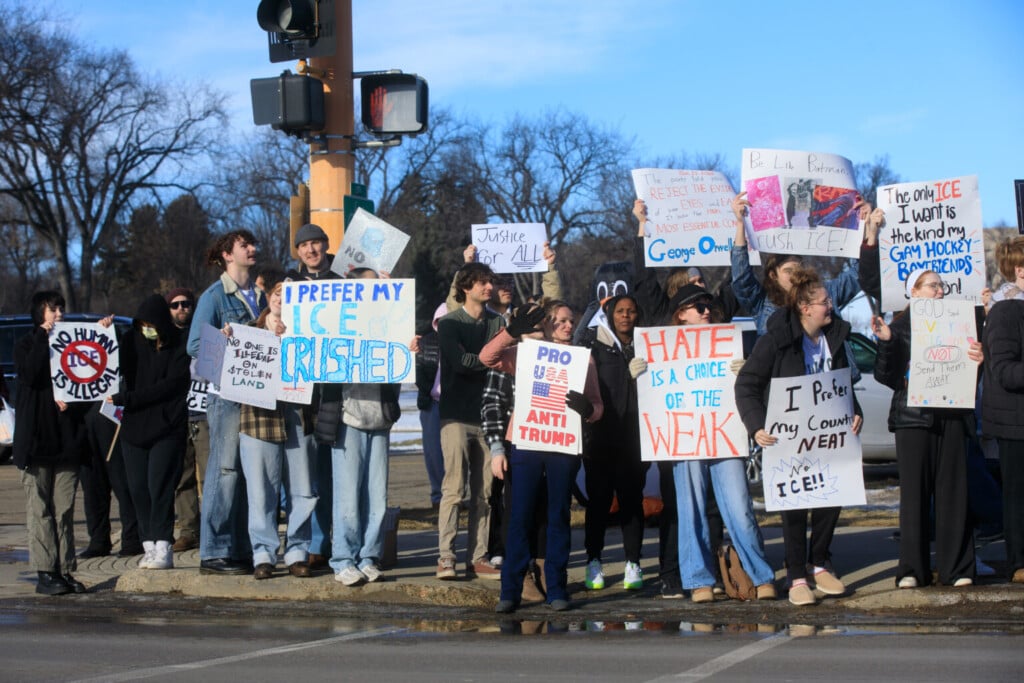
BISMARCK, N.D. (North Dakota Monitor) –Amid the flood of lawsuits across the country challenging U.S. Immigration and Customs Enforcement detentions, a trickle of cases are moving through North Dakota federal court.
President Donald Trump since taking office has taken sweeping action to ramp up the detention and deportation of immigrants. The number of people in detention by U.S. Immigration and Customs Enforcement increased more than 75% from January 2025 to January 2026, according to the American Immigration Council.
As of Friday morning, there have been seven emergency petitions filed in North Dakota seeking court review of ICE detentions in the past year. All were brought in the last three months. In one, attorneys alleged that immigration agents detained a man lawfully living in the country as a refugee.
The North Dakota Monitor is not identifying the plaintiffs in any of the cases. Several immigration attorneys involved in the suits said media exposure could put their clients in danger.
Of the seven lawsuits, six were brought by attorneys in the Minneapolis-St. Paul area. The other was brought by Grand Forks attorney Sue Swanson, one of only a few full-time immigration lawyers in the state.
Swanson said to her knowledge, she’s the only North Dakota immigration attorney who practices in federal court, where emergency suits challenging ICE detentions must be filed. It was her first time bringing such a case.
“I’m learning as I go,” she said.
The suits must be filed in the jurisdiction where the person is being detained, not where they were arrested, so not every plaintiff is necessarily a North Dakota resident.
Swanson is asking nonprofits to teach other North Dakota attorneys to bring similar lawsuits.
“The idea is, let’s share with each other this knowledge so we can continue to protect others,” she said.
Swanson said she has “no clue” how many people in North Dakota have been put into ICE detention, but that it’s important that more attorneys be prepared to help.
The United States legal system does not guarantee counsel to people facing immigration charges. But without an attorney, it’s difficult for people in detention to get justice, Swanson said. They need someone to make sure they understand their rights and what’s happening to them, and to make sure their proceedings are fair, she said.
An analysis of Deportation Data Project data by Stateline shows that there were 202 ICE immigration arrests in North Dakota last year between Jan. 20 and Oct. 15. By comparison, over the same period of time in 2024, there were 81 immigration arrests in North Dakota. Some ICE arrests are made without warrants alleging an immigration violation.
“It’s nothing like Minnesota, but it’s happening,” Swanson said of ICE activity in the state.
Anna Stenson, an immigration attorney in Fargo, said she fields frequent phone calls from North Dakotans who are fearful that they or a loved one will be detained. The inquiries come from people whose immigration status is varied — including U.S. citizens, green card holders and other lawful residents, she said.
“I’m saying, ‘Hey, have a family plan where your basic information and your family’s information is written down and that a trusted friend or family member knows where your papers are, so that if you do get detained, there’s someone who can help locate them,’” Stenson said.
Global Friends Coalition, a Grand Forks nonprofit, is advising immigrants to do everything they can to stay under the radar, according to Executive Director Cynthia Shabb. The organization recommends that people make sure their headlights and taillights are working, that they follow the speed limit and stay off social media, she said.
“In general, people are very cautious. They’re very worried,” Shabb said. “They have asked us questions about, ‘Is it safe for us to have our children go to school?’”
Judges weigh in
Two North Dakota judges have ruled differently on whether a new ICE practice that is prolonging immigration detentions is lawful.
Previously, when immigration agents detained someone inside the country — as opposed to at the border — that person was usually allowed to request a bond hearing, pursuant to Department of Justice guidance issued in 1997.
The U.S. Department of Homeland Security in July rolled back this precedent and concluded that under federal law, most noncitizens who enter the U.S. unlawfully and are later detained are not eligible for bond. The Department of Justice’s Board of Immigration Appeals in a September decision also adopted this interpretation.
A significant majority of federal judges who have ruled on the new practice found it violates federal law, including North Dakota U.S. District Court Judge Daniel Hovland.
In two of the North Dakota cases before Hovland, he ordered ICE to allow the plaintiffs the opportunity for bond hearings.
North Dakota U.S. District Court Judge Dan Traynor has been tapped to assist with the firehose of detention-related lawsuits pending in Minnesota federal court. As of Friday morning, he had denied several of the petitions, writing that he agrees with the executive branch’s interpretation of federal law. He ordered the release of one plaintiff who was brought to the U.S. as a child and has protected status under the Deferred Action for Childhood Arrivals program.
“When the law is unjust, it is not for the courts to correct it by judicial fiat,” he wrote in a January order, adding that it’s the role of Congress, not judges, to legislate.
Four of the North Dakota lawsuits were still pending as of Friday morning and one was voluntarily dismissed.
Even those who have received favorable rulings in federal court still face uncertainty, said St. Paul immigration attorney Solomon Steen, who filed two of the seven cases in North Dakota. Many who have been released from detention still have pending charges in immigration court.
“There’s a lot of discretion, and there’s not a lot of opportunity for legal review,” he said.
North Dakota Monitor reporter Mary Steurer can be reached at msteurer@northdakotamonitor.com.