Local issues driving turnout in North Dakota primary early voting
FARGO, N.D. (North Dakota Monitor) — North Dakota’s largest county is driving early voting turnout in the state despite fewer than usual high-profile offices on the ballot this year.
Cass County accounts for more than 7,000 of the nearly 30,000 votes cast so far in North Dakota, including more than half of the 5,200 ballots submitted at in-person early voting sites that began operating in some counties earlier this week, including Cass on Tuesday.
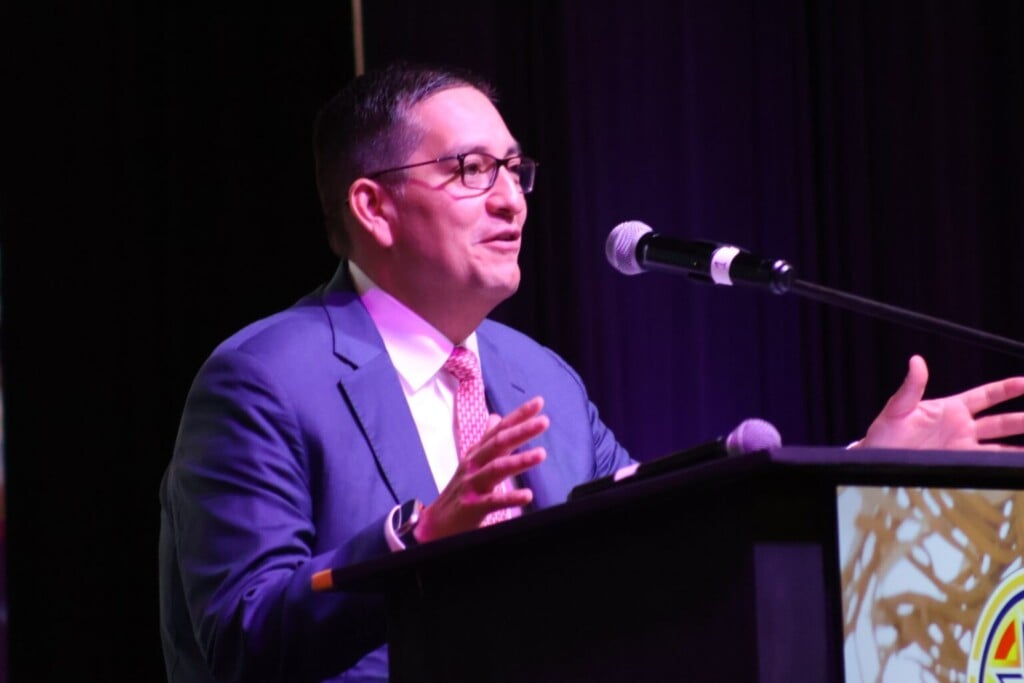
“It appears Cass County is on track of surpassing their early voter total from four years ago, and I’d imagine that Fargo mayor’s race is sparking that,” said Michael Howe, secretary of state. “There was a line waiting to begin, which is great to see. People were eager to cast their ballot early.”
Fargo has five candidates seeking to lead the state’s largest city.
Six counties had begun offering early voting in-person as of Wednesday: Burleigh, Cass, Grand Forks, Sioux, Stutsman and Ward counties. Two more, Morton and Stark counties, will begin on Thursday.
Detailed information on which counties have early voting available, where the polling locations are and what hours they are open can be found on the secretary of state’s website.
While Burleigh County early voting turnout was lower than Howe expected on Wednesday, with 337 votes cast, the voters who did make the trip said local issues and election contests motivated them to show up.
Several voters said it was their civic duty to fill out a ballot and urged others to do so between now and when polls close for the final time on Election Day next Tuesday.
“I think everybody should get out and vote,” said Gerald Schmitt, even though he feels the public’s desires fall on deaf ears at the state Capitol. “We might not agree with what everybody says, but please get out and vote.”
Voters said they were glad there was an option to vote early in Bismarck to avoid the lines and crowds of Election Day on June 9.
“It’s just easier to get it done sooner, because there’s no lines,” Todd Richardson said at the Bismarck Event Center early voting location. “It’s just super convenient to do it on lunch break.”
Others won’t be in the state for Election Day and said they appreciate the ability to cast their ballot early.
“We’re not here next Tuesday, so it’s easier to come and vote when they have early voting,” said Jan Peterson, Bismarck, who said she showed up to support the Bismarck school district’s ballot measure.

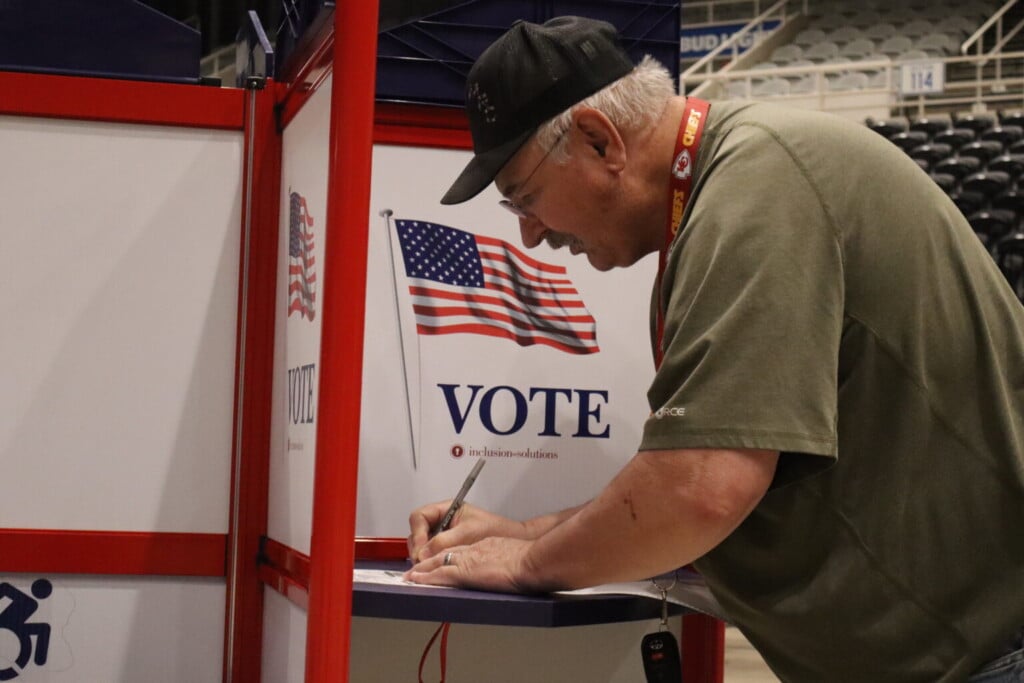
Rural Cass County resident, Karen Miller, took part in the North Dakota primary election early voting available Wednesday, June 3, 2026, at City Hall in Casselton, North Dakota. (Photo by Dan Koeck/For the North Dakota Monitor)
The secretary of state said turnout is always heavily dependent on what is on the ballot. This is the first election year since 2014 to not include high-profile positions, like governor or senator, on the ballot in North Dakota. But local contests appear to still be driving interest from voters.
That’s consistent with past primary elections. While North Dakota averages 22% turnout for primary elections in June, which also include local elections and ballot measures, the highest primary turnout since 2000 occurred in 2012 when voters decided to drop the “Fighting Sioux” nickname from the University of North Dakota, Howe said.
“I want to see 100% turnout,” Howe said. “But ultimately what drives voter turnout is what is on the ballot.”
Some cities and counties are voting on sales tax increases.
Howe said he has heard “good reports” from county auditors overseeing early in-person polling sites and the administrative aspect of the election has been running very smoothly.
He urged North Dakotans to get out to vote.
“I’ve been hammering this home. The most important election is always the next election. The next election is the June 9 primary election,” Howe said. “So, encourage everyone to make their voice heard.”
North Dakota Monitor reporter Jacob Orledge can be reached at jorledge@northdakotamonitor.com.